2,000,000 neurons are lost every minute following a traumatic brain injury — yet no point-of-injury solution exists — UNTIL NOW

SAGE Rebreather™ U.S. Army xTechSearch 9 Winner SBIR Phase I Contract
Neuroprotection · Point-of-Injury · Self-Aid & Buddy-Aid

CPR
for the
Brain™

The SAGE Rebreather™ is the first fieldable, non-electric device to halt the biochemical cascade driving secondary brain injury — easily deployable in under 10 seconds, requiring zero training and zero power.

~3.5 oz
Total weight — with FaceShield & HeadStrap
2M
Neurons lost per minute post-injury
ZERO
Batteries · Electronics · Training required
85%
Reduction in TBI markers (pre-clinical animal studies)
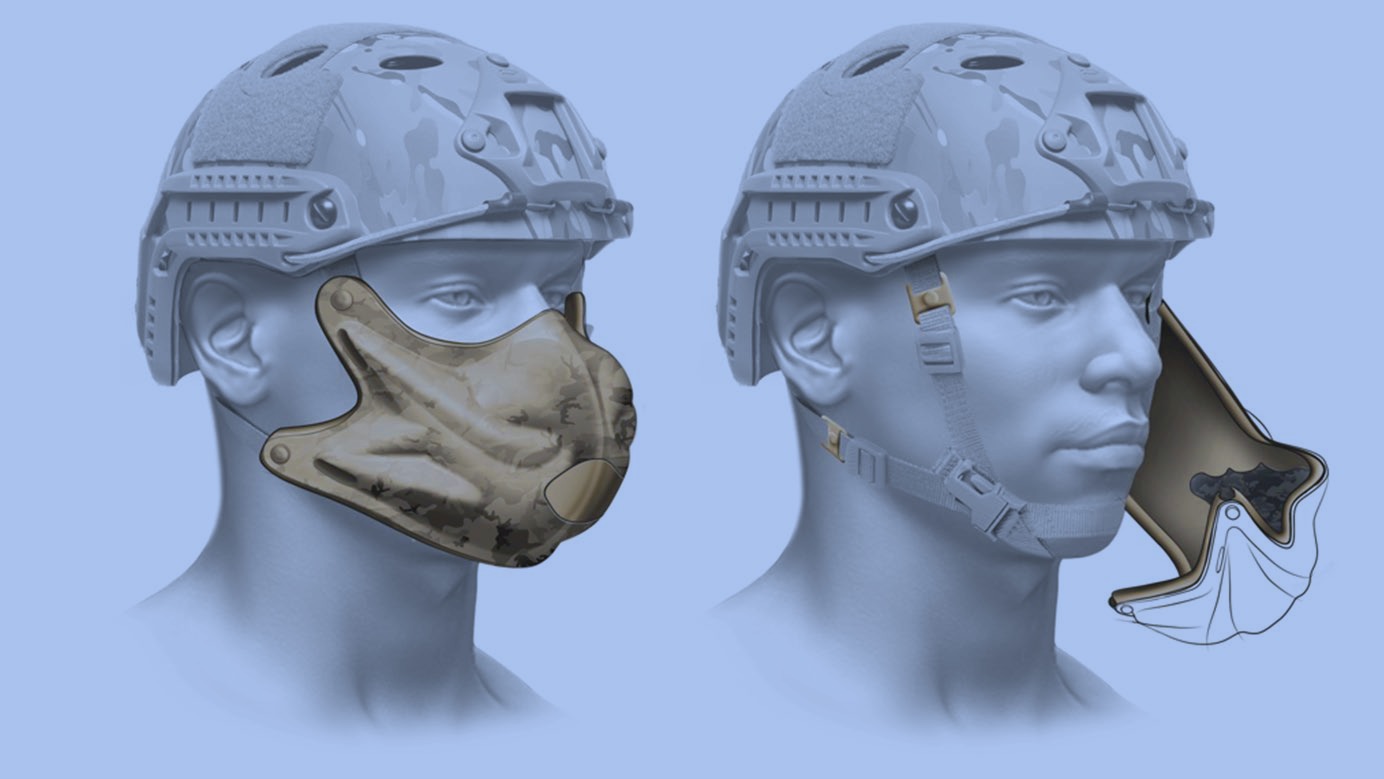
SAGE Rebreather — deployed and stowed configurations

TBI: The Invisible Casualty of Combat

Traumatic brain injury is the #1 cause of long-term disability in service members — and the battlefield offers no immediate intervention.

No Point-of-Injury Solution Exists

Current protocols focus on evacuation and hospital care — arriving far too late to stop the secondary injury cascade that destroys neurons in the first minutes after blast.

📉
60% Drop in Cerebral Blood Flow

A blast triggers a ~1,200× surge of catecholamines, driving arterial CO₂ below 35 mmHg. This hypocapnia cuts cerebral blood flow by up to 60%, starving neurons of oxygen and energy.

🎯
Scale of the Threat

In 2023 alone, the Department of the Air Force recorded 3,208 new TBI cases — 83% among active-duty personnel. EOD, SOF, Security Forces, and aircrew face the highest cumulative risk.

The Critical Window Is 10 Minutes

Pre-hospital end-tidal CO₂ is now the #1 prognostic factor post-TBI (Bossers, 2023). Every minute without intervention locks in permanent cognitive damage — reduced readiness, early attrition, chronic CTE.

2,000,000
neurons lost per minute

Dr. Daniel Spaite's landmark EPIC study put it plainly:

"Traumatic Brain Injury causes more suffering and cost to mankind than all cancers, strokes, and heart attacks combined."


In Large-Scale Combat Operations (LSCO), prolonged field care environments mean a wounded warfighter may wait 30–90 minutes before reaching advanced medical support. Every one of those minutes costs 2 million neurons — with no current way to stop it.

Source: EPIC Study, Spaite DW et al. | Bossers et al., 2023

What Happens in the First 10 Minutes

The TBI medical community recognizes the first 5–10 minutes post-blast as the defining window for outcomes. Here's the cascade — and where SAGE intervenes.

T + 0 seconds

Blast / Impact

Primary injury occurs. Shear Strain and Cavitation occurs; brain tissue is compressed.

T + 10–60 seconds

Catecholamine Surge (~1,200×)

Fight-or-flight chemicals flood the system, accelerating heart rate and breathing rate dramatically.

T + 1–3 minutes

CO₂ Drops Below 35 mmHg

Hyperventilation drives arterial CO₂ into hypocapnic range. Cerebral blood flow falls by up to 60%.

T + 2–10 minutes

▶ SAGE WINDOW

Applying SAGE restores end-tidal CO₂ to the 35–45 mmHg safe zone — reversing the cascade before widespread depolarization.

T + 10+ minutes

Spreading Depolarizations

Without intervention, cortical spreading depolarizations propagate neuronal death. Secondary injury is now underway.

The SAGE Rebreather™

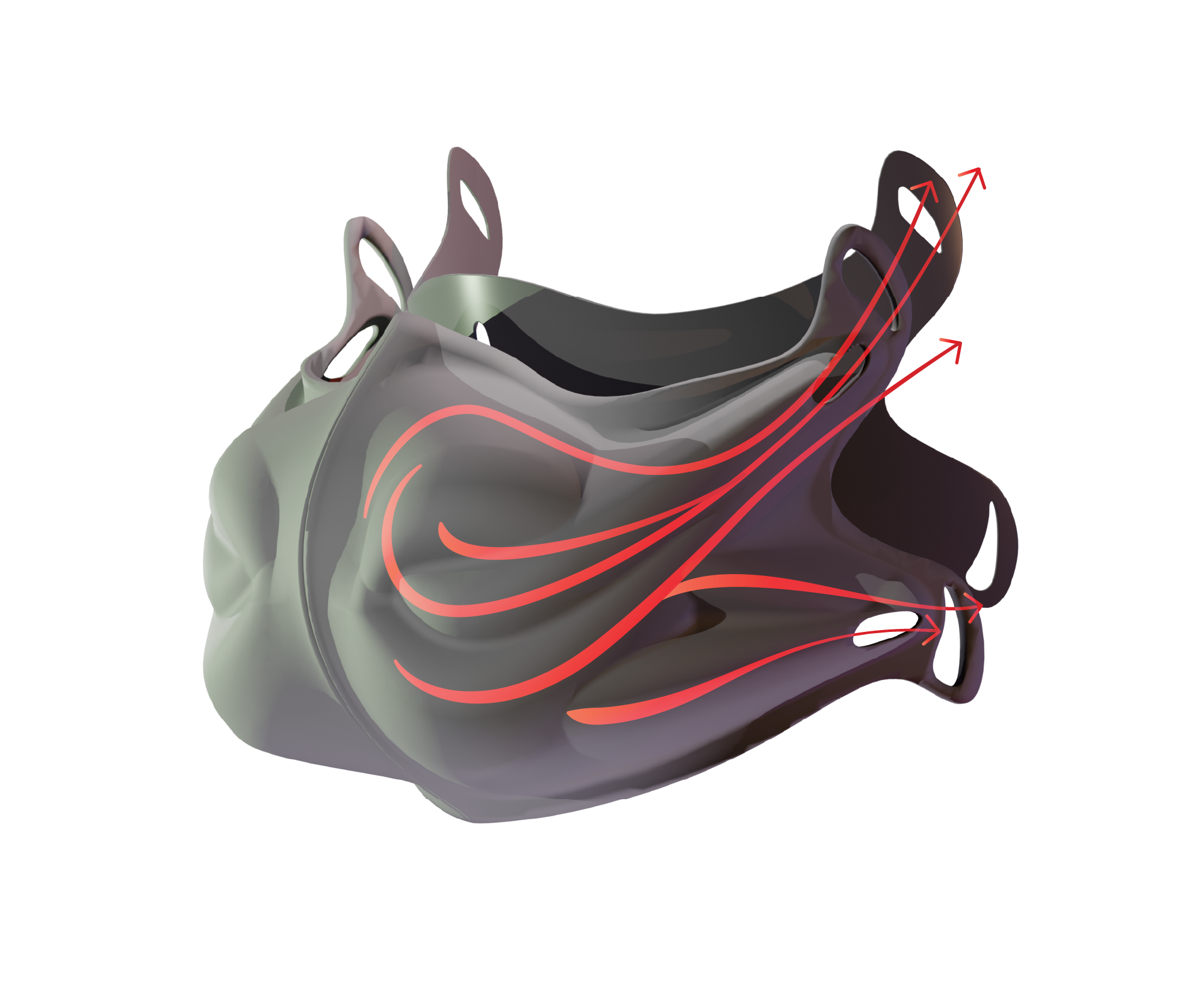
A lightweight, collapsible, non-electric facemask that recycles a precise fraction of exhaled gas — holding end-tidal CO₂ in the neurologically protective 35–45 mmHg range.

Time to Deploy Easily under 10 seconds
Weight ~3.5 oz total (mask + FaceShield + HeadStrap)
Power / Batteries NONE
Electronics / EM Signature NONE — Zero cybersecurity risk
Training Required NONE — Just breathe
CO₂ Control Fail-safe (cannot exceed 1%)
Duration of Use 10–30 minutes recommended
Helmet Integration Clips to existing harness; CBRN-compatible
IFAK Compatible Yes — fits standard Individual First Aid Kit
Application Self-aid or buddy-aid — no medic required
SAGE Rebreather — front view with internal CO2 airflow visualization

Three Steps. Zero Training. Immediate Protection.

SAGE is designed for the chaos of the point-of-injury. No settings. No power. No expertise required. Any warfighter or battle buddy can deploy it.

01

Reach for SAGE

Stowed in your IFAK, chest rig, or clipped to your helmet harness. Pull the mask free in a single motion — it unfolds automatically.

0–5 seconds
02

Place & Seal

Position the mask over the nose and mouth. The anatomic seal requires no straps or adjustments for effective CO₂ recycling to begin immediately.

5–10 seconds
03

Just Breathe

Breathe normally. SAGE's patented four-channel airway geometry automatically maintains end-tidal CO₂ in the 35–45 mmHg safe zone. Wear for 10–30 minutes.

10 min = 2+ hrs protection

The Data Behind CPR for the Brain™

Multiple pre-clinical studies at the University of Cincinnati's Neurotrauma Research Center have validated the SAGE mechanism with consistent, dramatic results.

Pre-Clinical Animal Study Data: All quantitative results below are derived from pre-clinical animal studies (rodent blast models). Human clinical trials are currently in planning and design phases. These findings establish the scientific basis for the SAGE mechanism and are being advanced toward human validation.
65%

Reduction in TBI Markers — Pre-Exposure

Just 10 minutes of CO₂ stabilization prior to blast reduced functional TBI endpoints by 65% in pre-clinical blast models.

Pre-clinical rodent study · University of Cincinnati

85%+

Reduction in TBI Markers — Post-Injury

Applied within 30 minutes after blast, SAGE reduced functional and metabolomic TBI markers by more than 85% in animal models.

Pre-clinical rodent blast model · University of Cincinnati

>90%

Recovery from IED-Level Blast

Animals exposed to IED-equivalent blast forces showed greater than 90% functional recovery when treated with CO₂ stabilization within the critical window.

Pre-clinical blast study · University of Cincinnati

300%

Functional Improvement Within 3 Hours

CO₂ treatment following blast produced a 300% improvement in functional outcomes at 3 hours post-injury versus untreated controls in animal models.

Pre-clinical blast model · University of Cincinnati

85%+

Neural Cell Energy Preservation

Metabolomic analysis demonstrated greater than 85% preservation of mitochondrial energy substrates in neural cells — blocking the energy-starvation cascade.

NMR Metabolomics · Pre-clinical · University of Cincinnati

#1

Pre-Hospital CO₂: Top Prognostic Factor

Pre-hospital end-tidal CO₂ level is now identified as the single strongest predictor of survival and outcomes in suspected severe TBI in human observational data.

Bossers et al., 2023 · Critical Care Medicine

The biochemical rationale is well-established: post-blast hyperventilation drives arterial CO₂ below the neuroprotective threshold, causing cerebral vasoconstriction, mitochondrial energy starvation, and "spreading depolarizations" — the neurological equivalent of a power outage propagating across the cortex. SAGE is the first and only fieldable device designed to interrupt this cascade at the point of injury. The device is advancing through FDA Class II De Novo review for TBI neuroprotection claims, and a $4.2M DoD-funded human study is underway to validate the approach in human subjects.

How CO₂ Protects the Brain

1

Blast triggers hyperventilation

Catecholamine surge drives rapid breathing, expelling CO₂ and dropping arterial levels below 35 mmHg.

2

Hypocapnia collapses cerebral circulation

Low CO₂ causes cerebral vasoconstriction — cutting blood flow to the brain by up to 60% within minutes.

3

SAGE restores the CO₂ safe zone

Recycling exhaled gas holds end-tidal CO₂ at 35–45 mmHg — the neuroprotective range — immediately reversing vasoconstriction.

4

Cerebral perfusion rebounds

Restored blood flow re-oxygenates neural tissue, stabilizes chloride channels, and returns mitochondria to aerobic metabolism.

5

Secondary injury cascade is arrested

Spreading depolarizations are halted before they propagate. The brain's own energy stores take over — no drugs, no electricity required.

The Safe Zone: 35–45 mmHg

The body maintains end-tidal CO₂ near 40 mmHg under normal conditions for a reason: it's the optimal signal for cerebral vasodilation, oxygen release from hemoglobin, and mitochondrial energy production.

Post-blast hyperventilation crashes CO₂ well below this range within minutes. SAGE is the only device that corrects this in the field — silently, without power, and easily deployable in under 10 seconds.

The patented four-channel airway geometry is self-regulating: as breathing rate increases, the geometry automatically prevents CO₂ accumulation beyond the safe threshold. It literally cannot over-correct.


5 patents issued · 4 patents filed · FDA Class II De Novo pathway active · Technology Readiness Level 4–5

A New Category of Personal
Protective Equipment (PPE)

Just as body armor protects against ballistic threats, the SAGE Rebreather is the first "Brain PPE" — wearable, immediate, and passive neuroprotection for the warfighter.

🪖

Helmet-Integrated

We envision a version that can clip directly to the helmet chin harness — compatible with CBRN and ballistic systems, with no new gear profile.

Zero Electronic Signature

No batteries, no circuits, no RF emissions. Ideal for EOD and SOF operations where electronic signature is tactically critical.

🤝

Self-Aid or Buddy-Aid

Designed to be applied by the injured warfighter or any team member. No medical training required.

🛡

Prophylactic & Therapeutic

Worn before a known high-blast task for prophylaxis, or applied post-injury for immediate therapeutic intervention.

🎒

IFAK-Ready

Collapses to IFAK-compatible dimensions. Co-locatable with AEDs and Ambu bags in combat trauma kits.

🔇

Silent Operation

No mechanical noise, no alarms, no moving parts. Operates invisibly within the operational environment.

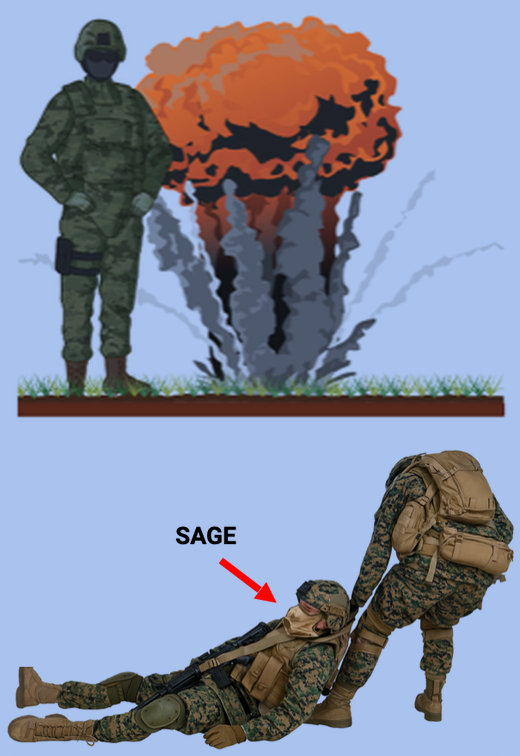
Blast exposure and buddy-aid: a warfighter witnessing an explosion, followed by a teammate pulling an injured buddy to safety by the collar

Who Needs SAGE

Anyone in harm's way — especially those in blast-exposed, high-risk, or cognitively critical roles across the warfighter spectrum:
💣

Explosive Ordnance Disposal

The highest cumulative blast-exposure role in the military. SAGE provides prophylactic protection before demolition tasks and immediate intervention post-blast.

🪂

Special Operations Forces

SOF, PJ, and 23 STS personnel operating in contested environments. Endorsed by 23rd Special Tactics Squadron for integration into SOF medical protocols.

🚁

Combat Medics & Flight Medics

Enables point-of-injury neuroprotection during CASEVAC and MEDEVAC — the first active TBI intervention available during tactical evacuation.

🛡

Security Forces & Combat Arms

Repeated gunfire, breaching, and shoulder-launched weapon exposure all produce sub-concussive blast forces. SAGE mitigates cumulative cognitive cost.

Backed by Science, Supported by Warfighters

Military Support

  • U.S. Army xTechSearch 9 Winner — Army Prize Competition
  • SBIR Phase I U.S. Army Contract awarded
  • 45th EOD, Cape Canaveral Space Force Station — end-user support confirmed
  • 23rd Special Tactics Squadron — strong operational support on record
  • 59th Medical Wing, Joint Base San Antonio-Lackland — active research collaboration
  • $4.2M DoD-funded human study underway to validate the approach

Scientific Foundation

  • Dr. Matthew Robson, UC Pharmacology & Systems Physiology — pre-clinical lead
  • Dr. Jed Hartings, Chief, Neurophysiology Laboratory, Division of Psychiatry and Neuroscience, 2004–2008, Walter Reed Army Institute of Research, Silver Spring, Maryland — Co-Director, University of Cincinnati Neurotrauma Research Team
  • GLP-compliant animal studies completed with peer-reviewed publication
  • NMR-metabolomics endpoint validation completed
  • State of Ohio Innovation Fund — prototype & FDA regulatory support

IP & Regulatory

  • 5 patents issued · 4 patents filed
  • 45 patents & 28 publications across TBI portfolio
  • FDA Class II De Novo pathway active — TBI neuroprotection claims
  • ISO-13485 design control active
  • HRPO/ACURO human research protocols in process
  • Inventor of FDA-cleared Q-Collar™ — 65,000+ brains protected since 2022
U.S. Army U.S. Army xTechSearch 9 Winner

Delta Chase's SAGE Rebreather was selected as a prize competition winner by the U.S. Army xTechSearch 9 program, receiving SBIR Phase I contract support to advance CPR4Brain™ toward operational fielding.

Military Health System Research Symposium (MHSRS)

Meet Us at the Nation's Largest Military Medical Conference

"Managing the Golden Hour & Beyond: Innovative TBI Care in Contested Combat Environments"

David W. Smith, MD — inventor of the SAGE Rebreather™ and the FDA-cleared Q-Collar™ — will be presenting a poster session at MHSRS, the largest gathering of military medical personnel in the United States. The session covers the science, operational rationale, and transition roadmap for CPR4Brain™ neuroprotection in prolonged field care environments.

We welcome conversations with medical officers, Combat Medics, flight surgeons, SOF medics, and personnel engaged in TCCC protocol development or warfighter brain health initiatives.

Request a Meeting at MHSRS
Event
MHSRS 2026
Presenter
David W. Smith, MD
Session Type
Poster Presentation
Topic Area
Combat Casualty Care / TBI
Organization
Delta Chase LLC
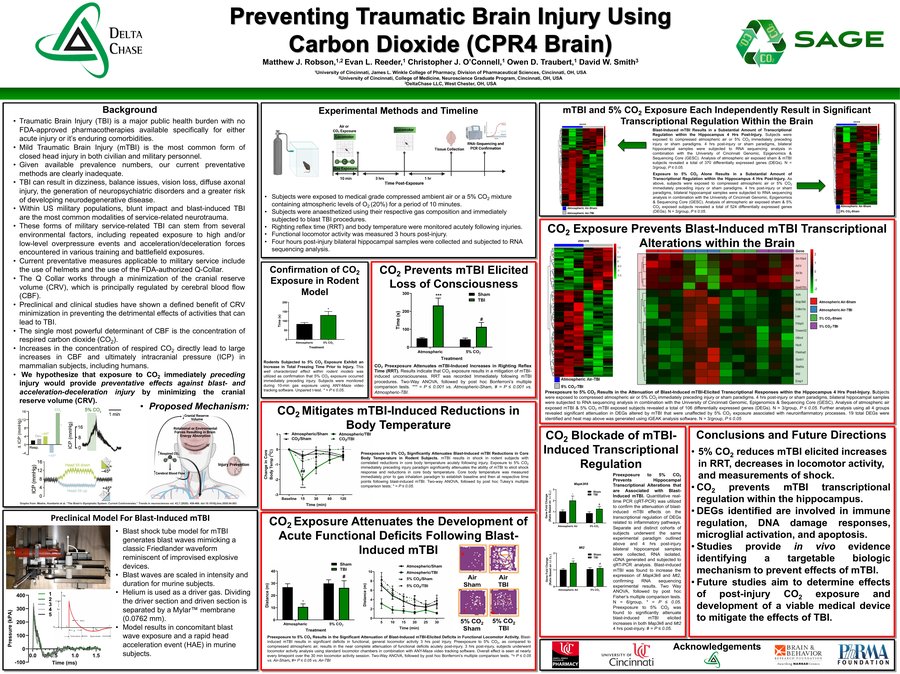
Preventing Traumatic Brain Injury Using Carbon Dioxide (CPR4Brain) — MHSRS Poster
Preventing TBI Using CO₂ (CPR4Brain)
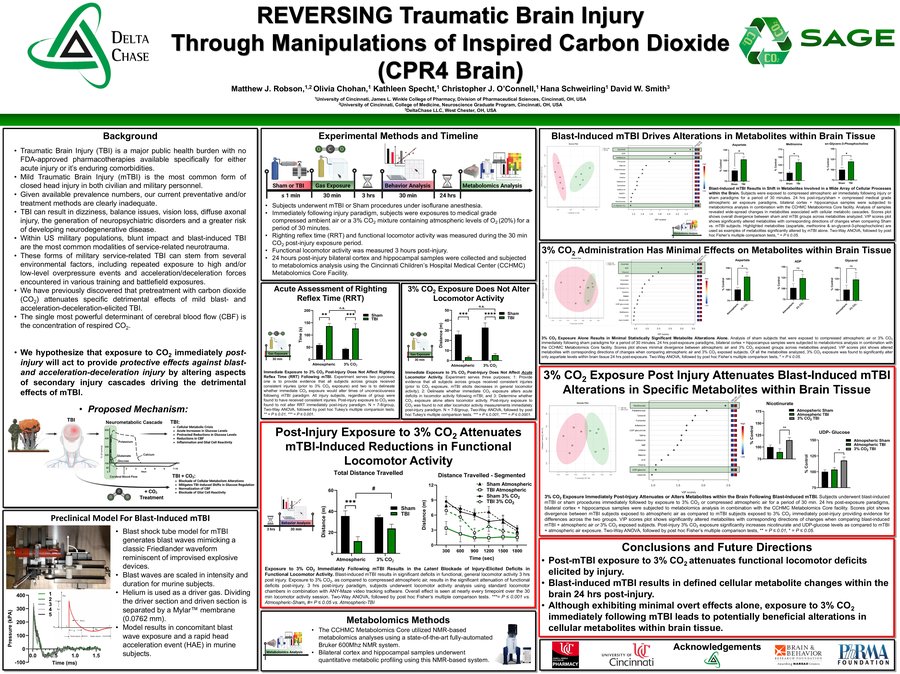
Reversing Traumatic Brain Injury Through Manipulations of Inspired Carbon Dioxide — MHSRS Poster
Reversing TBI Through Inspired CO₂

Peer-Reviewed Publication

Reeder & Robson et al. (2022) — The foundational journal article underlying both poster presentations. Download the full manuscript.

⬇ Download Journal Article

Decades of Defense, Medicine & Commercialization

David W. Smith, MD

Founder & CEO · Principal Investigator

Board-certified internal medicine specialist with 20+ years in neurotrauma research. Pioneer of "SLOSH Theory" and inventor of the FDA-cleared Q-Collar™ — the first and only device authorized to make TBI mitigation claims. Holds 47 patents and 28 peer-reviewed publications. Former collaborator with the Department of the Army Research Lab and Gentex Corporation.

Neil Kosterman

Co-Founder & COO · Commercialization Lead

30+ years of life sciences leadership across medical device, pharmaceutical, and healthcare markets. Former VP at Pfizer; President at Smith & Nephew and WRP Corporation. U.S. Army Veteran. Co-founder of TBI Innovations. Leads commercialization, FDA engagement, and strategic partnerships for Delta Chase.

Bryan Stepanenko, MD

Military Applications Lead · Field Surgeon

Active U.S. Army Veteran and field surgeon with direct operational experience in combat medicine environments. Leads military application development, end-user interface, and integration of SAGE into TCCC protocols for Special Operations and Combat Casualty Care teams.

Matthew Robson, PhD

Neuroscience Research Lead · University of Cincinnati

Assistant Professor of Pharmacology and Systems Physiology at UC. Nationally recognized expert in neuroinflammation and post-traumatic neuronal response. Directs biomolecular and cellular analysis of SAGE pre-clinical studies. NIH study section peer reviewer.

Jed Hartings, PhD

Neurotrauma Advisor · University of Cincinnati

Professor and Vice Chair of Research, Neurosurgery at UC. Former Chief, Neurophysiology Laboratory, Division of Psychiatry and Neuroscience, 2004–2008, Walter Reed Army Institute of Research, Silver Spring, Maryland. Co-Director, University of Cincinnati Neurotrauma Research Team. Co-founder of COSBID — the international cortical spreading depolarization research consortium.

Sherry Jones

Industrial Design Lead

25+ years designing consumer and medical devices. Former Priority Designs — IDEA Gold & Silver award winner, two Volvo Design Awards. Leads design-for-manufacture and usability engineering for SAGE, ensuring comfort and operability in high-stress field conditions.

Connect With Delta Chase

Whether you're a military medical professional, a researcher, a procurement officer, or a warfighter interested in SAGE — we want to hear from you. Time is brain, and every conversation counts.